
Standard vs. Premium Filters from Automotive Oil Filters Manufacturers
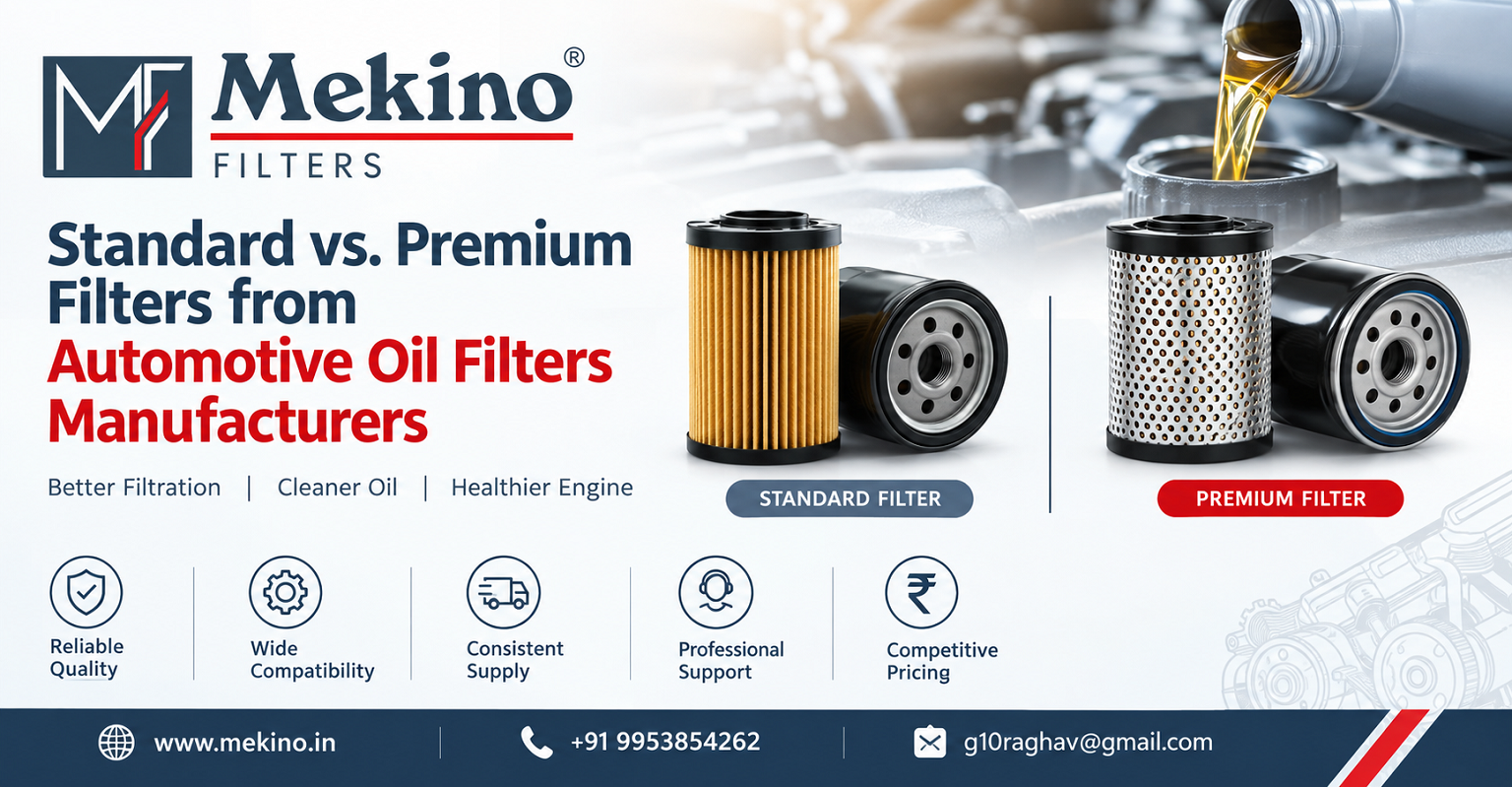
Engine oil is a necessity when it comes to automotive maintenance. It can lubricate a vehicles engine, reduce friction and this way, keep the engine running properly. Engine oil is an investment and I have learned that it will safeguard the engine.
It's not just about quality. Filter dust, dirt, and even small metal particles can pass through Engine oil and accelerate parts wear.
Filter it's a term all those working in and around motorsports need to know and that includes: motorists, workshop workers, fleet operators and parts dealers. When it comes to premium filters, it's handy to understand what they're made of, how well they filter, how long they last, and what users require.
Not always the most expensive is the best filter. Only the filter that is designed to the engine makers specifications and, which will operate in the environment that it will encounter.
Why Does an Automotive Oil Filter Matter?
During the operation of the engine, oil moves through certain parts of the engine to lubricate the moving components and assist in heat reduction. Now, dirt, and debris may build up into the oil engine from the wear and tear of the engine and objects like dust or water from outside.
The oil filter manufactures captures those chunks before they get to keep going down the line. This makes the oil cleaner. Improves how well the lubrication system functions.
Ideally a filter will clean the oil very well and will not restrict the flow much. It must be properly sized to the engine capacity and capable of withstanding the operating pressure and temperature.
The filter could not filter well, could leak, or could slow down the flow of oil if you select it. Before you start to look at brands or prices always make sure the filter is right for your engine and right for your needs.
What Are Standard Automotive Oil Filters?
Most standard oil filters are constructed to serve the needs of particular applications under typical operating conditions. They can be a sensible choice for day-to-day driving as long as they conform to the specifications of the vehicle manufacturer.
The design can comprise a filtration medium, supporting structure, sealing portions, as well as other necessary aspects for the individual design. The selection of material and technical specification may vary for each product, so "standard" does not necessarily indicate that the product is inferior.
Buyers should look for, at a minimum, the manufacturer's recommended replacement interval, specifications for fitment and filtration, and knowledge that the filter is compatible with the engine. Standard filters are suitable for normal commuting, running your personal vehicle and other uses where the filter remains within its designed operating parameters.
What Makes Premium Oil Filters Different?
Premium filters may contain a higher quality material or special filter media, better construction or a design element that is compatible with the particular operating conditions. But, it's the certified specifications of the filter that establish the true features and advantages, not the price.
Other premium units may have a larger total hold capacity of contaminants, higher filtration efficiency at the specified particle size, or a design that allows longer service intervals when approved for that application.
Other examples could be features that increase performance in demanding conditions. When purchasing a filter, you should look at the technical literature provided by the manufacturer to find out what a particular filter does.
Don't think you can buy the top filter, then just assume that this will give you better engine performance or extend the interval between oil changes. These items are based on the vehicle lubricant operating conditions, and the approved schedule.
Standard vs. Premium: Key Differences to Compare
When evaluating available options, focus on measurable specifications rather than marketing terminology.
1. Filtration Efficiency
Filtration efficiency measures the efficiency of the filter at removing particles of a certain size under specified test conditions. Filters are constructed with different media and filter design.
Ensure there are published specifications about filtration when they are available. Finer filtration is only useful if there's evidence of it working and the filter still passes the engine's requirements for flow.
2. Dirt-Holding Capacity
As a filter is used, dirt is trapped on the media. The dirt-holding capacity of a filter shows the quantity of dirt held by the filter media under standardized test conditions up to a predetermined point.
In some applications, a higher capacity may be desirable but this should be taken into consideration together with filtration efficiency, flow characteristics and the suggested change out period.
3. Construction and Materials
The interval for changing the filter is defined by the car producer's maintenance plan, the oil used, the application and approval of the filter. A costlier filter doesn't necessarily allow a longer period between replacements.
Always observe the proper service interval, unless the vehicle/equipment manufacturer recommends an alternative.
4. Service Life
Time between replacements is set by the car manufacturer on the list of the services, the oil used, the driving environment, and the filter's authorization. In reality a filter is costly doesn't necessarily mean you can keep it longer.
Always carry out servicing at the standard service interval unless the equipment or vehicle manufacturer recommends another interval.
5. Overall Value
Price matters to both individual purchasers of filters as well as automotive companies that purchase them in bulk. But that lowest purchase price doesn't necessarily mean you're getting the best deal.
Compare reliability of products, tested performance fit warranty if provided, and what is required to service the car periodically.
How to Select the Right Filter for Your Vehicle
Identify the vehicle get the make model engine type and year of the vehicle; these can help determine the most suitable filter specification and fitment.
Then, examine the oil-filter replacement suggested by the manufacturer, as well as the type of lubricant used. For vehicles that run hard with heavy loads, lots of dust, extended running time, or excessive start-and-stops, check the maintenance advice.
Also verify the filter's dimensions, threaded, or mount arrangement, seal compatibility, and pressure specifications (if any). A replacement filter may look the same as the original but not actually be a fitting substitute.
In workshops, dealers, and fleet managers, improved application records can help to minimise wrong orders and ensure that replacements are more consistent.
What Should Buyers Look for in Automotive Oil Filter Manufacturers?
Selecting a dependable supplier involves more than reviewing the product catalogue. Buyers should look for clear technical documentation, consistent manufacturing practices, application information, and reliable product identification.
When evaluating Automotive Oil Filters Manufacturers, consider these factors:
- Product compatibility: Clear information to help identify the correct filter for the intended engine.
- Quality assurance: Documented inspection and testing processes appropriate to the product.
- Material consistency: Filter media and components that meet the stated specifications.
- Technical information: Accessible product data, installation guidance, and replacement recommendations.
- Supply reliability: Consistent availability and clear ordering information for workshops and distributors.
These considerations can help businesses make informed purchasing decisions and reduce the risks associated with incompatible or poorly specified replacement parts.
Explore Automotive Filtration Solutions with MEKINO
Automotive products Filters all automotive buyers should be familiar with the engine requirements and compare automotive filter products based on the inherent technical advantages. You can use MEKINO to get to know automotive filtration products and make inquiries about them.
Determine the application, the needed specifications, and the suggested change interval before selecting a filter. When ordering for a shop or distributors, make sure that the product identification and availability check out.
Find more at MEKINO Visit website to ask a question about your automotive filtration needs.
Making a Smarter Filter Selection
Choosing between premium and standard oil filters many good quality filters may be right for your application, well-designed, and used with appropriate fitment. The critical difference is in the values build tested filtration efficiency, and fit for the engine- not the name or price.
Owners of vehicles and garages can decide, which is the optimal acquisition by viewing the manufacturer suggestions, reviewing the technical specifications, and finally, choosing the product that is compatible.
A properly matched oil filter is a minor component that helps maintain a healthy lubrication system and supports dependable engine performance.